The House of Laments: A Seville Ghost Story
A real legend. Or an unreal one. Or uncertain in a distinctly Sevillian way.
In Calle Pimienta—so well hidden behind the Alcázar that even Google Maps hesitates—stands an old house. Very old. Old enough to have sixteenth-century cracks, its own microclimate and, according to certain taxi drivers, a ghost officially registered as a resident.
The neighbours call it the House of Laments. Nobody knows exactly why, but sobs, mournful cries and the occasional ill-tempered rosary have supposedly echoed there for as long as anybody remembers.
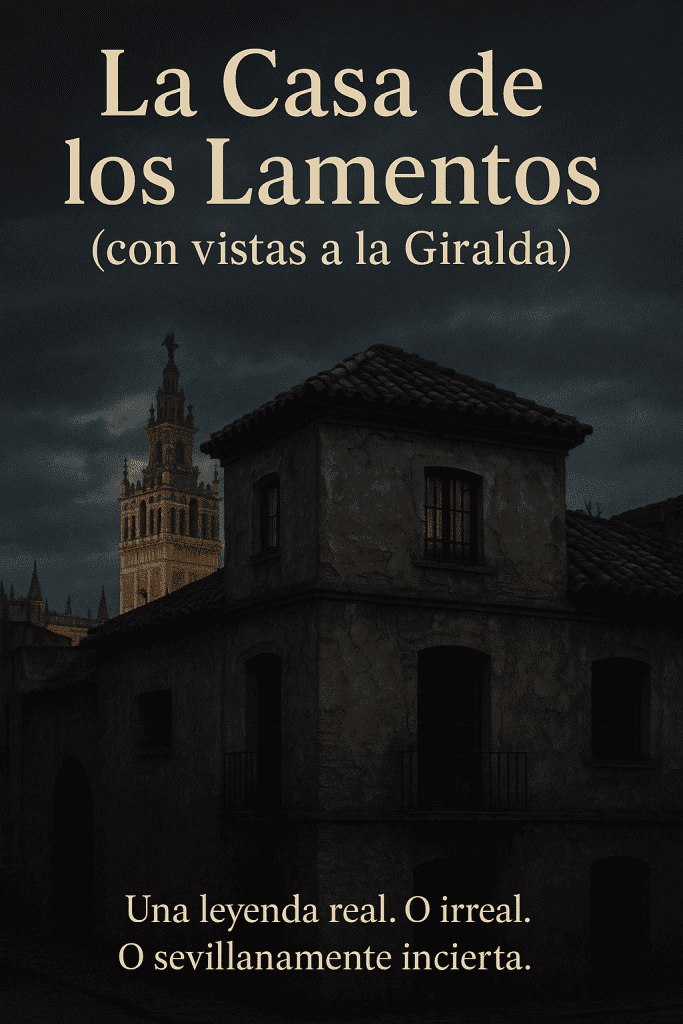
The legend begins in 1997. An absurd date for a legend, perhaps, but this is neighbourhood magical realism. That year, Doña Remedios del Valle—widowed, devout and more conservative than the April Fair on a budget—moved into a house inherited from an aunt who was a nun. The family claimed the aunt accidentally levitated during the Stations of the Cross.
Once settled, Remedios noticed things. Little things. Very Sevillian things. The Saint Jude tile moved. Her hair comb disappeared from the dressing table and appeared in the microwave. The brazier lit itself, even in August. And always, always, at 3:07 each night, somebody cried in the second courtyard.
There was no second courtyard.
Remedios did not panic. She hung a rosary on every doorframe, blessed the television—she said Antena 3 transmitted strange energies—and carried on. Let them cry. Her sister-in-law’s trouble in Dos Hermanas had been worse.
Over the years, things intensified. Laments became voices. Voices became complaints. Complaints became flamenco cries. One night, the ghost sang her a saeta. In tune. In time. With an echo coming from the bidet.
“Oh, my Esperanza… how badly they’ve mopped the kitchen!”
The house became a centre of gossip and visits, even attracting an Erasmus outing that mistook it for an escape room. It was called the House of Laments, the House of Complaints and the Crybabies’ Flat. Each Holy Week, the sobs aligned with the Macarena procession. When a float passed, the windows shook. Not from devotion. From indignation.
Eventually, Remedios died, surrounded by holy pictures, with the air conditioning at 16 degrees in January. The house carried on crying inside, like Seville after a disallowed goal.
Nobody lives there now, says the tale. Approach quietly at 3:07 and you may hear it. Sometimes a sob. Sometimes a voice:
“Where’s my bloody hair comb?”
If the incense is good and the humidity low, Remedios may answer from beyond:
“Those aren’t ghosts, child. Seville’s been sad ever since they stopped serving Cinzano at the corner bar.”
Invented. Exaggerated. Probably more believable than many Sevillian notarised statements. Have you met El del Zurraque?