Las Setas de Sevilla: The History of Plaza de la Encarnación
In the heart of Seville stands one of the city’s most surprising and photographed structures: Las Setas de Sevilla, also known as Metropol Parasol. In historic Plaza de la Encarnación, these enormous wooden forms have reshaped the skyline and brought life back to one of the Andalusian capital’s oldest and most recognisable corners.
A journey into the past: Seville’s first food market
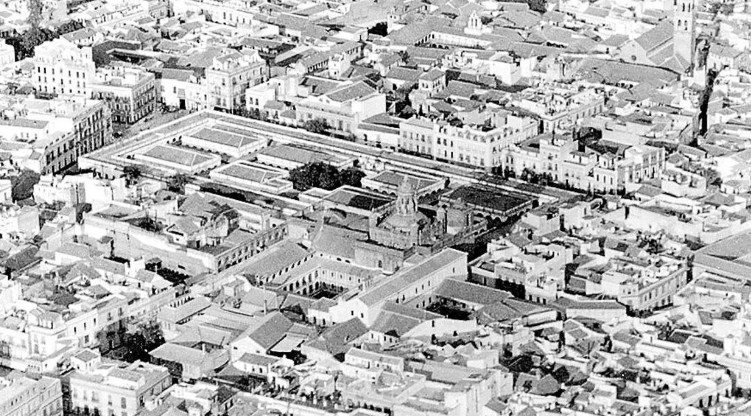
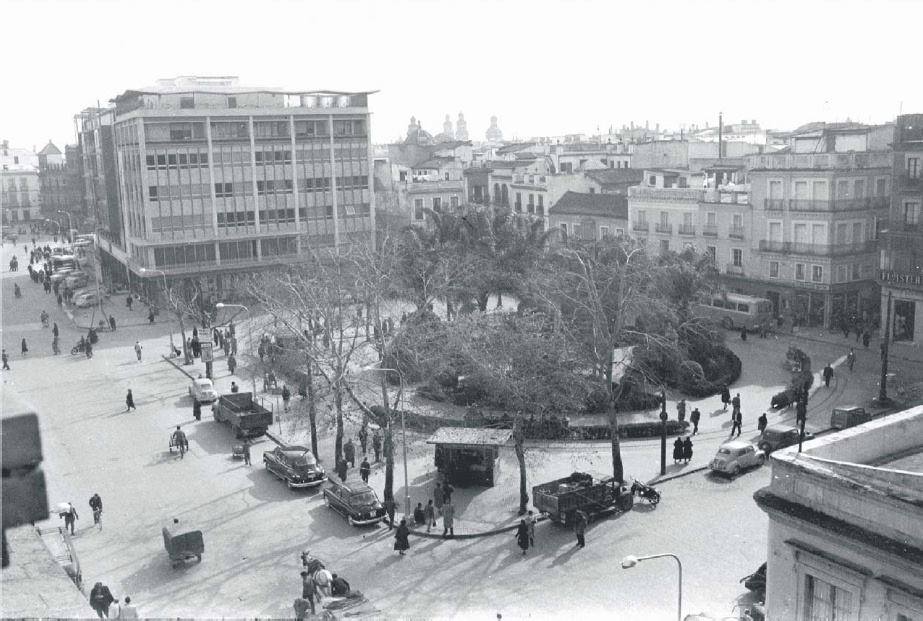
The story of Plaza de la Encarnación goes back to 1832, when what would become Seville’s first food market was built on the remains of the former Convento de la Encarnación. Designed by architect Melchor Cano, it had more than 400 stalls and quickly became a centre of local trade and social life.
For decades, the market meant fresh produce, bustling activity and encounters between neighbours. But time took its toll.
Change and neglect: a square waiting for its future
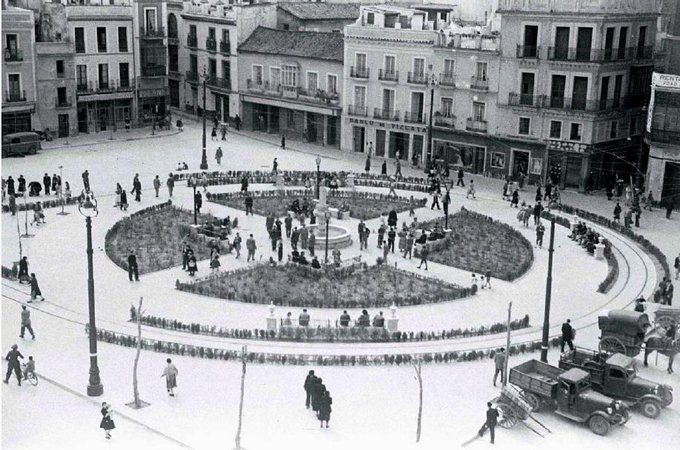
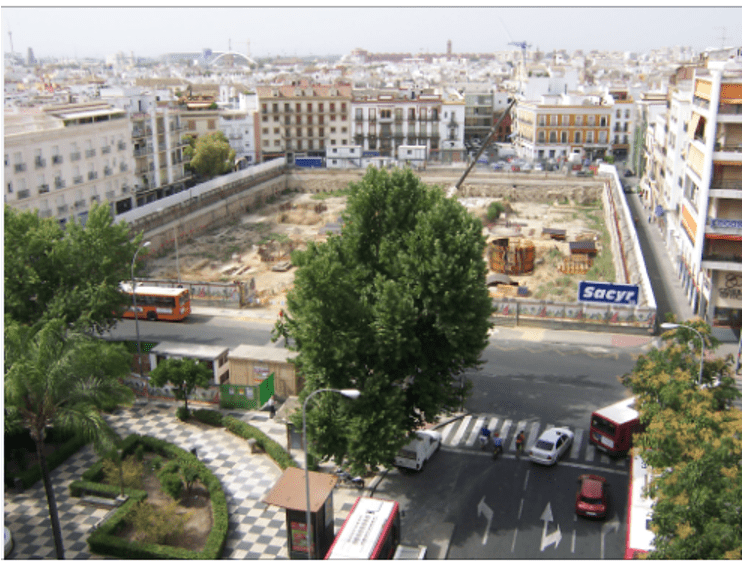
In 1973, following structural problems, a major flood and increasing competition from supermarkets, the original market was demolished. Temporary stalls were installed. What was intended to last three years became almost four decades of urban neglect. Plaza de la Encarnación, once a centre of Seville life, was reduced to a fenced-off site, a symbol of a forgotten period.
A new beginning: Metropol Parasol transforms Encarnación
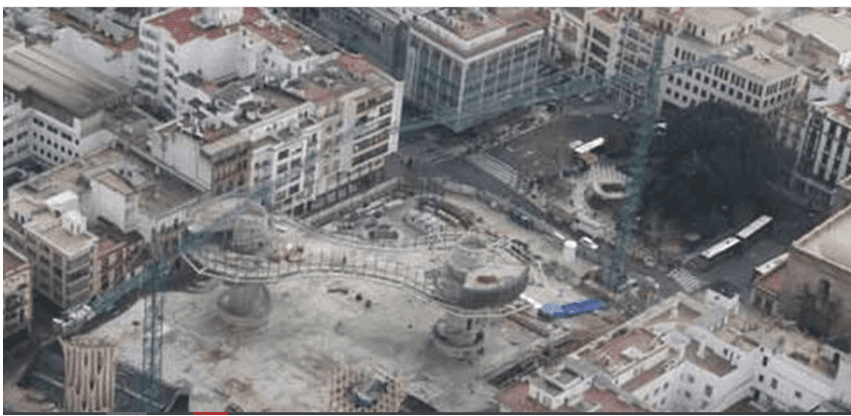
In 2004, Seville City Council decided to reclaim this important space. An international design competition was won by German architect Jürgen Mayer with a revolutionary concept: Metropol Parasol, an organically shaped wooden structure inspired by the ficus trees of Plaza de San Pedro and the vaults of Seville Cathedral.
Construction began in 2006 and faced several challenges. Described in the original article as the world’s largest wooden canopy, it used more than 3,500 pieces of Finnish laminated veneer lumber, known as Kerto, joined by millions of screws, pushing the possibilities of contemporary architecture. The project emphasised sustainability, with three trees planted for each one used, and earned Mayer international recognition including a Red Dot Award.
Las Setas de Sevilla: much more than architecture
The complex officially opened in 2011, and Las Setas de Sevilla became a new city symbol. Beneath its shade, the Mercado de la Encarnación returned to life, alongside a modern urban space arranged over several levels:
- The Antiquarium, an underground museum preserving Roman and Almohad remains.
- Plaza Mayor, an open space for cultural events.
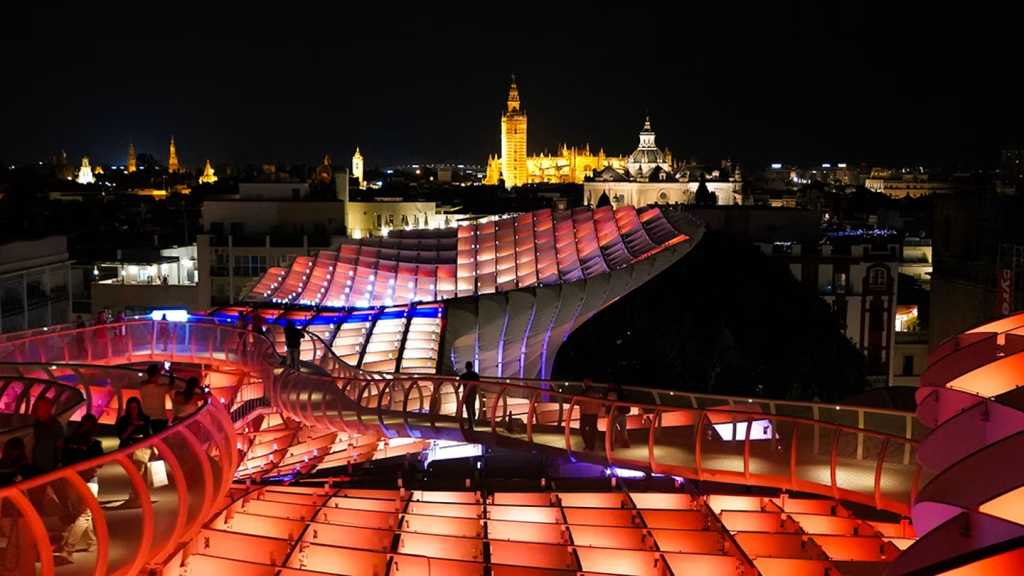
- The viewpoint and panoramic walkways, with a 250-metre route offering some of the best views of Seville.
The name “Metropol Parasol” soon gave way to the nickname with which local people made it their own: Las Setas de Sevilla, meaning Seville’s mushrooms, because the giant mushroom forms seem to rise from the ground as if by magic.
What to see and do at Las Setas de Sevilla
Visiting Las Setas is a memorable experience for residents and visitors alike. Things to do in Plaza de la Encarnación include:
- Go up to the Las Setas viewpoint to watch sunset over the Giralda and historic centre.
- Explore the city’s past in the Antiquarium.
- Have a drink or buy local produce at the food market.
- Attend one of the cultural events held beneath the structure.
Las Setas: a symbol of a changing Seville
Las Setas is both a tourist attraction and an architectural landmark, showing how a city can reconnect with its history while embracing innovation and retaining its roots. Plaza de la Encarnación has gone from a forgotten place to a lively, modern space full of possibilities.
Visiting Seville? Do not miss Las Setas. Whether you come for its history, architecture or views, this contemporary landmark offers a different side of the city.